
Safety
Kyrgyzstan has so much to explore, but a little preparation makes a big difference. My advice is to think about where you’re going: an afternoon in Bishkek needs different precautions from a trek through a remote mountain valley.
Here are the things I’d want you to know before visiting—from choosing transport to recognising when it’s time to turn back in the mountains.
-
112 — Emergency assistance and rescue
103 — Ambulance
102 — Police
101 — Fire
Save your accommodation address, guide’s number and insurer’s emergency contact offline too.
-
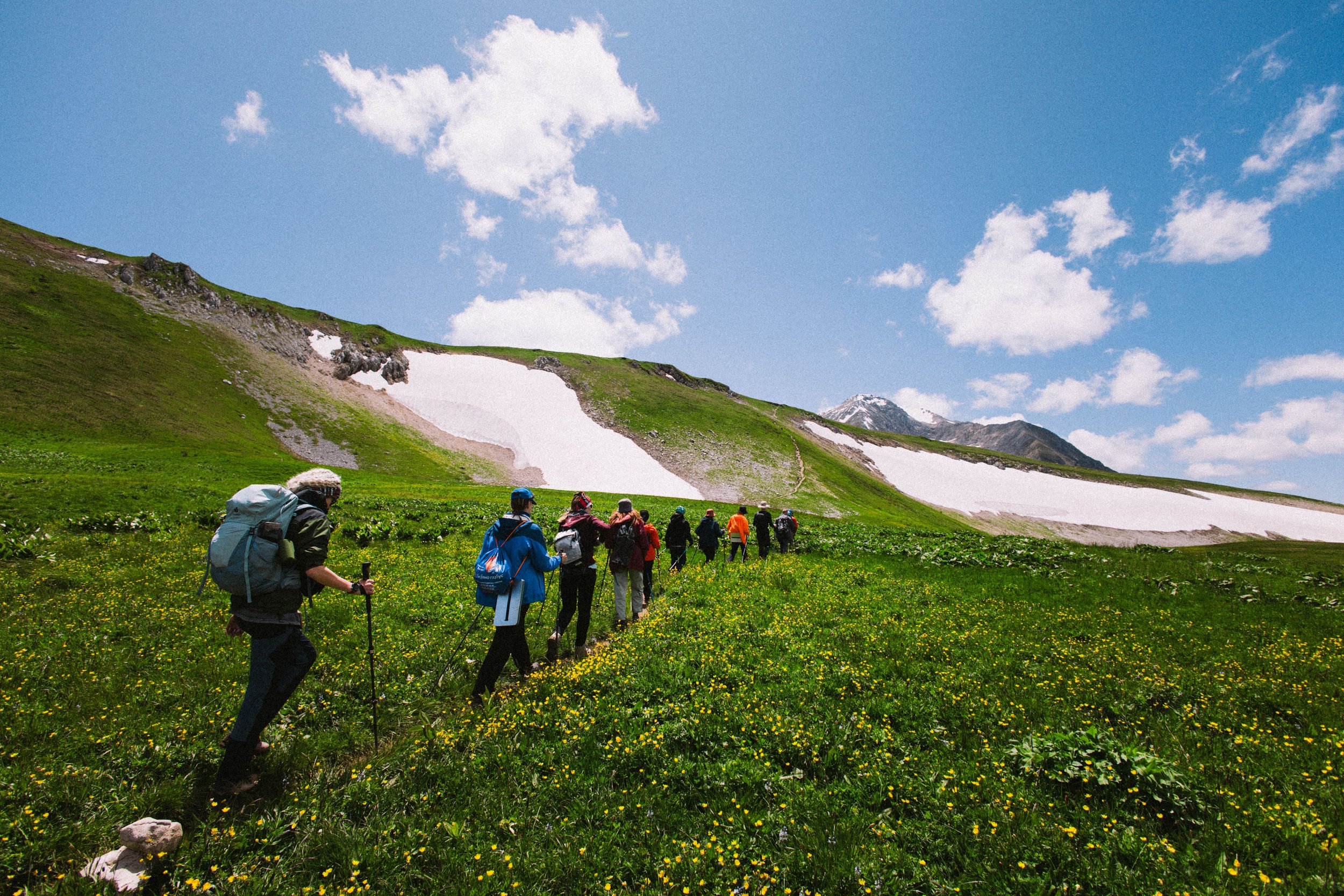
A sunny morning does not guarantee a clear afternoon. Mountain weather can change quickly, and snow is possible at altitude even in summer.
For remote routes, choose a guide with experience of that particular area. Carry warm layers, waterproofs, food, drinking water, a headtorch and a first-aid kit—even on a day walk.
Before leaving:
Check the forecast and current route conditions.
Tell someone your route and expected return time.
Download offline maps and carry a charged power bank.
Ask your guide how they would contact help without mobile reception.
Do not assume a phone signal or quick rescue will be available. Turning back is a sensible decision when conditions deteriorate.
-
Altitude sickness can develop above approximately 2,500 metres, particularly when you ascend quickly. Being physically fit does not replace acclimatisation.
Build time into your itinerary to adjust, especially before sleeping at higher elevations. Take it easy when you first arrive and avoid alcohol.
-
Keep a secure digital backup of your passport and travel documents. For identification checks, official advice says to carry your passport or a properly notarised copy; an ordinary photocopy or phone photograph may not meet the requirement.
Do not photograph military sites, border checkpoints or security facilities. Check the rules before bringing or flying a drone.
Illegal drugs carry serious penalties. Vaping rules are also strict: importing and selling e-cigarettes is prohibited, so check current requirements before packing one.
Avoid demonstrations and political gatherings, even if they initially appear peaceful.
-
Same-sex relationships are legal in Kyrgyzstan, but social attitudes can be conservative. Public displays of affection may attract unwanted attention or hostility.
Check current LGBTQ+ travel advice before your visit so you can make informed decisions about your trip.
-
Speak to a travel-health professional ideally around eight weeks before departure about vaccinations, existing conditions and your planned activities. If you’re travelling sooner, it is still worth getting advice.
Bring enough prescription medication in its original packaging, alongside a prescription or medical letter. Check any import restrictions beforehand; familiar medicines may not be available locally.
Medical facilities are more limited outside the main cities. Your insurance should cover:
Your maximum trekking altitude.
Horse riding and any other planned adventure activities.
Search and rescue, where available.
Medical evacuation and repatriation.
Any existing conditions you need to declare.
Ask your insurer to confirm anything unclear in writing. A standard holiday policy may not cover your full itinerary, and having insurance does not guarantee that rescue can reach you immediately.
-
Leave some flexibility in your itinerary. Mountain roads can become impassable, and pushing ahead to keep a booking is rarely worth it. Follow local closures and check updates from Kyrgyzstan’s Ministry of Emergency Situations.
Bishkek can experience poor air quality, particularly in winter. Check local readings and adjust outdoor activities if pollution is high, especially if you have a heart or lung condition.
Earthquakes are another consideration. If shaking starts indoors, drop, cover and hold on: shelter under a sturdy table if possible and protect your head and neck. Do not rush outside or use a lift during the shaking. Outdoors, move clear of buildings and overhead wires.
