
When to visit
The right time to visit depends on what you want to experience. Exploring our cities, swimming at Issyk-Kul and trekking to a high mountain lake all have different seasons.
July–August: the most reliable period for high mountain routes, yurt camps and lake trips.
June and September: quieter alternatives, but check individual routes and accommodation before booking.
April–May and September–October: good options for cities, cultural sightseeing and lower-altitude areas.
December–March: the main winter sports period around Karakol, depending on snowfall and resort opening dates.
Mountain seasons don’t follow an exact calendar. Snow, rain and road conditions can change your plans even in summer.
-
Choose your must-see places first, then pick dates that suit those places.
Before paying for a mountain trip, ask whether the price includes permits, park entry, camping, meals and activities. Confirm that your accommodation will be open and that your driver has checked the route.
Carry small notes in som for local payments and keep a payment card available. Don’t assume entrance gates accept US dollars.
-
Aim for July–August for the widest choice of activities.
If you want to combine mountain scenery, horse riding, yurt stays, hiking and time beside Issyk-Kul, these are the most straightforward months to plan around.
This is when summer mountain accommodation is most widely available and higher routes are more likely to be accessible. You can combine places such as Song-Kul, Kel-Suu and Karakol with cultural stops and a few days at the lake.
The trade-off is that popular places are busier, and Bishkek and Osh can be hot. Book your main accommodation and mountain activities ahead.
Late June and early September can also work, but you may need more flexibility. In June, some passes still hold snow. In September, nights become colder and some camps begin closing.
For a first visit with several different activities, I would choose July or August and leave a little room for weather-related changes.
-
July–August offers the broadest choice. Early September can also be suitable.
For treks such as Ala-Kul, higher routes around Jyrgalan and journeys through the Alay Mountains, summer gives you the most practical combination of access, daylight and available support.
June is route-dependent. Lower trails may be ready while higher passes remain snowy. Don’t assume that a trek is accessible simply because the weather in the nearest town is warm.
September needs more flexibility. Some routes remain suitable, particularly early in the month, but nights are colder and fresh snow can change plans.
Before booking, ask whether your trek uses tents, guesthouses or seasonal yurt camps. A route may remain walkable after its usual accommodation has closed.
Snow and poor weather are possible even in summer. Your guide should check current conditions and have an alternative if a pass becomes unsuitable.
-
Plan around July–August, with other dates depending on the lake and route.
These lakes offer very different experiences, so I would choose according to how you want to travel.
Song-Kul — Open landscapes, horse riding and yurt stays
The main visitor season is roughly June–early September. Access involves mountain roads, and different passes can open at different times. Confirm your camp and the route your driver intends to use.
Kel-Suu — Dramatic cliffs and a remote mountain journey
July–August is the simplest window to plan around. Late June or early September may work after local confirmation. You need an advance border-zone permit, suitable off-road transport and confirmed accommodation. The final approach is commonly on foot or horseback.
Ala-Kul — A lake reached on a mountain trek
Choose July–August, or early September after checking conditions. This is a walking itinerary involving high terrain, rather than a lakeside road stop.
For all three, expect cold nights even in summer. By October, I would not plan a standard summer lake itinerary without specific confirmation of access, accommodation and suitable arrangements.
-
May–September for many lower-valley rides; July–August for the widest choice of high mountain treks.
For a shorter ride, places such as Chon-Kemin and lower valleys around Issyk-Kul can offer a longer season than routes crossing high passes.
For several days on horseback around Song-Kul or through mountain pastures, July and August make planning easier. Seasonal camps are more likely to be operating, and higher routes are generally more accessible.
Ask whether the ride stays in a valley or crosses mountain passes. That matters more than whether it is described as “beginner-friendly”.
For overnight rides, confirm where you will sleep and when those camps open or close. Early- and late-season trips may need a different route.
My advice is to choose the ride around your experience and comfort, then confirm the dates with the operator. Horses do not make a snowy or unsafe pass suitable to cross.
-
Summer offers the widest choice, especially June–early September.
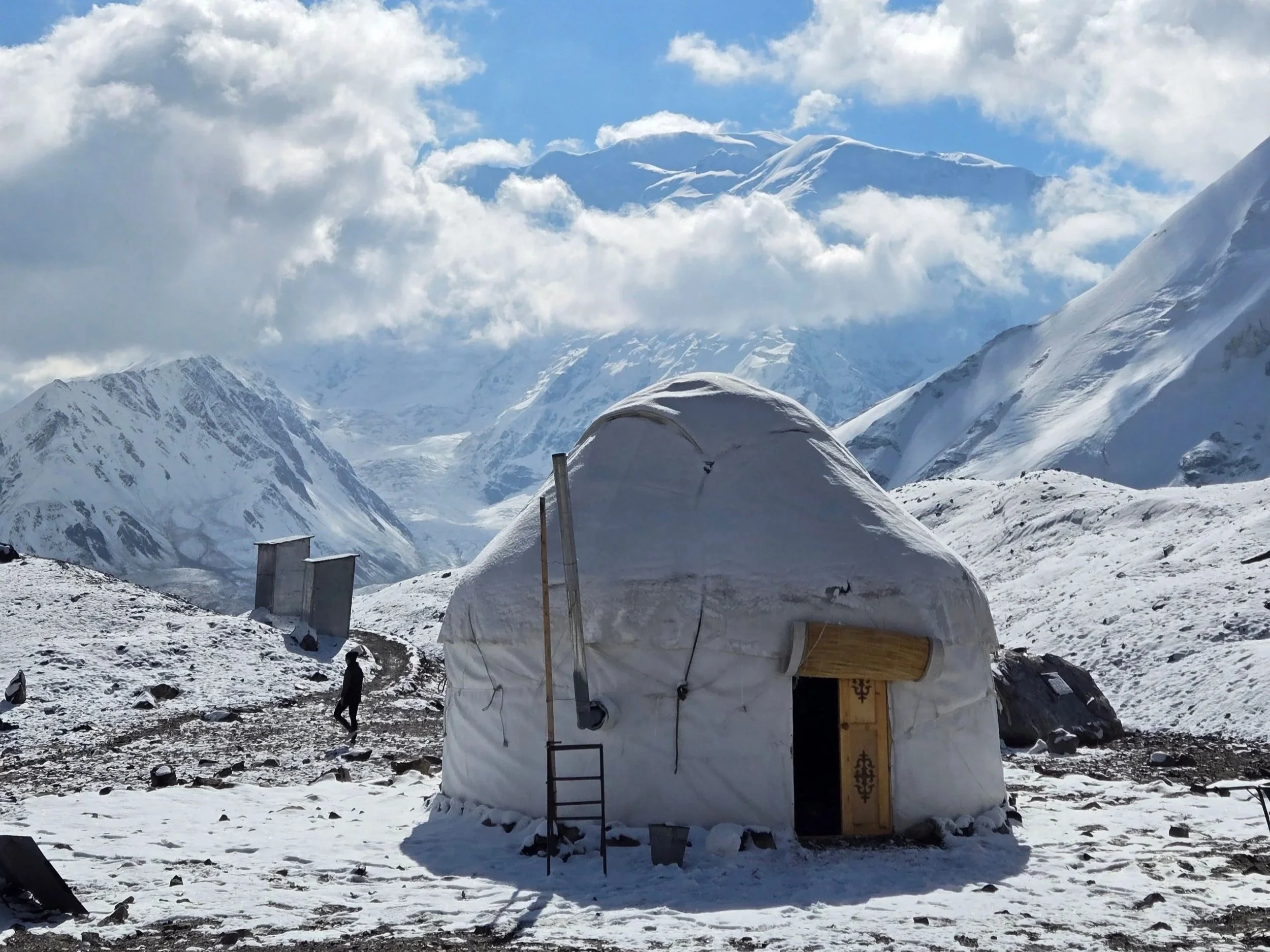
If you imagine waking up in a yurt surrounded by mountain pastures and grazing horses, plan for summer. Song-Kul and other high pasture areas are strongly seasonal.
There is no single opening date for every camp. Some operate into later September, while others close earlier. Weather, access and the family’s own arrangements all play a part.
Before booking, ask:
Will the camp be operating on my exact dates?
What bedding and heating are provided?
Are meals included?
How will I reach the camp if the usual road is unavailable?
Yurt accommodation at lower elevations, including around Issyk-Kul, may have a longer season. Some operators also offer winter stays, but these need specific arrangements.
Don’t assume that a camp is open just because its booking page is still visible online.
-
July–August is the main window to choose for swimming.
If you want beach time as part of your holiday, Issyk-Kul is the place I would plan around. It combines well with sightseeing, cultural visits and mountain trips elsewhere.
The north shore has more established resorts and beach facilities. The south shore offers opportunities to combine a lakeside stay with villages, canyons and yurt accommodation.
June and early September can still be enjoyable beside the lake, but swimming conditions are less predictable. The water can feel cool even in summer, and wind can quickly change conditions.
Outside the main season, the lake still offers scenery and peaceful stays. Check that your chosen accommodation and nearby places to eat remain open.
High mountain lakes such as Song-Kul and Kel-Suu should not be treated as alternatives for a beach holiday.
-
Possible year-round. Spring and autumn are particularly comfortable for sightseeing.
Bishkek and Osh are good places to explore bazaars, try local food and visit museums and historical sites. Village stays and arranged experiences, such as felt-making in Kochkor or a family meal around Issyk-Kul, can also fit outside the summer season.
April–June and September–October are useful planning windows for a trip focused on sightseeing rather than high mountains. Expect changeable weather in spring and colder evenings in autumn.
Summer works too, but I would plan longer walks around Bishkek and Osh earlier or later in the day.
In winter, choose accommodation with reliable heating and confirm activities beforehand. Some tourist-focused businesses operate seasonally.
Keep altitude in mind: towns such as Naryn and Karakol are cooler than lower-lying cities. A village being accessible does not mean nearby mountain trails or passes are open.
-
May–June for greenery; September–early October for autumn colour.
For a trip focused on forest walks, waterfalls and photography, consider Arslanbob, Sary-Chelek and the wooded valleys around Karakol.
Autumn colour varies by elevation and weather, so there is no guaranteed week when everywhere looks the same.
Around Arslanbob, autumn also brings walnut harvesting. If you want to learn about it, arrange a visit through your host and remember that families are working.
For Sary-Chelek, distinguish between visiting the main lake and completing a longer trek over surrounding passes. The longer mountain routes generally fit the summer season better.
Guesthouses can make these trips more practical outside peak summer, but confirm that your host is open and that the access road and chosen walks are suitable.
-
Usually May–September, with some lower routes possible in April or October.
You don’t need a multi-day expedition to enjoy Kyrgyzstan’s landscapes. Options include Skazka Canyon, the red rocks at Jeti-Oguz, lower walks in Ala-Archa, and forest or waterfall outings around Karakol and Arslanbob.
Spring can bring fresh greenery, while autumn offers colour in wooded areas. The timing varies with elevation, so ask about the particular walk rather than the destination as a whole.
For exposed places such as Skazka, summer walks are more comfortable in the morning or later afternoon.
These trips often work well from a hotel or guesthouse, so you are less dependent on seasonal mountain camps.
A short walk can still be affected by mud, ice or river conditions. Confirm the trail and final road approach locally, especially early or late in the season.
-
Plan around December–March, with January–February a useful starting point.
Karakol is the main place I would start for a resort-skiing holiday. Actual lift opening dates depend on snow and operating conditions, so check before committing to travel dates.
Jyrgalan and other mountain areas offer ski touring and freeriding. These need specialist planning, appropriate experience and avalanche precautions.
Book winter-equipped transport and confirm equipment rental, lessons and accommodation in advance.
Winter is a different kind of Kyrgyzstan trip. You can combine snow activities with food, cultural visits and suitable hot springs, but you should not expect to follow the same remote routes used for summer lake and yurt tours.
November and early December can fall between seasons: summer mountain trips may have finished while skiing has not yet begun.
